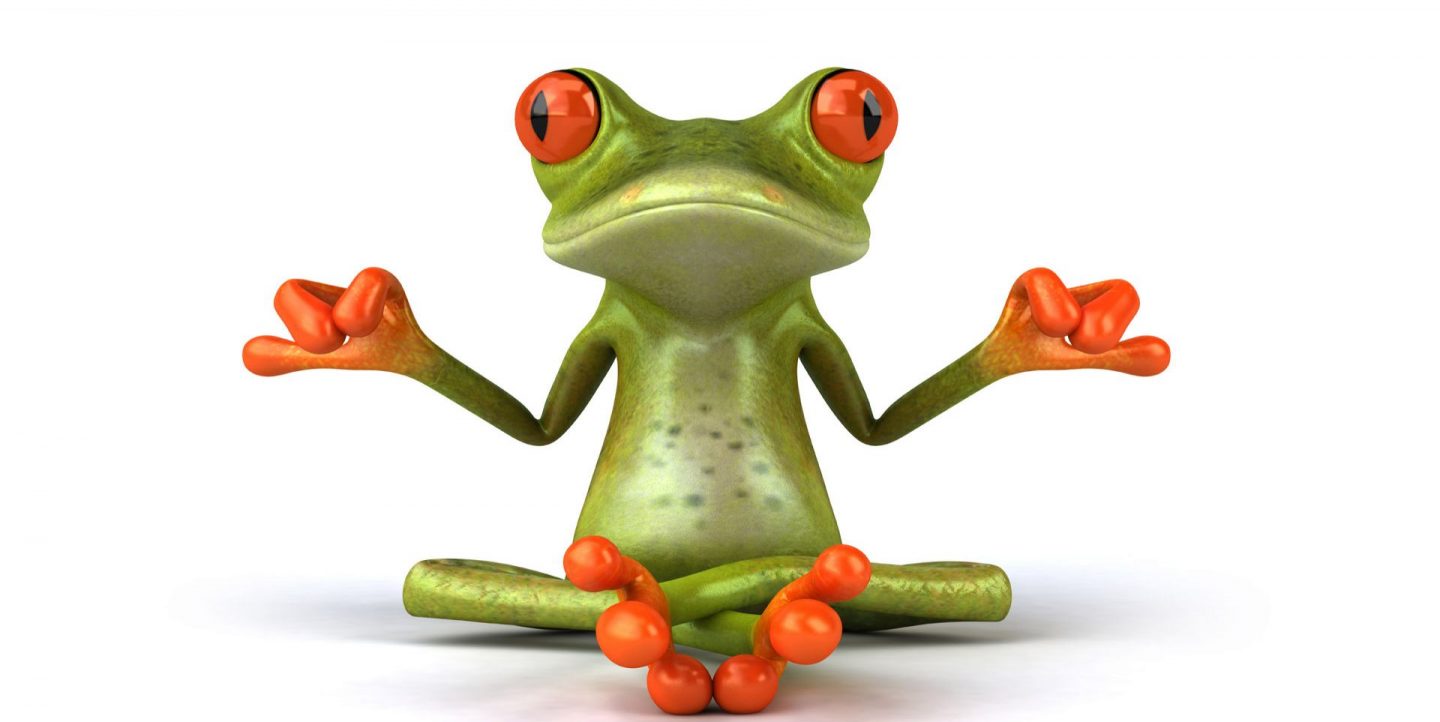
To hear the frog tell it, the average Brit now spends half their life working and the other half deciphering what new levy has been quietly slipped into the system overnight. Income tax, council tax, VAT, fuel duty, alcohol duty, air passenger duty, insurance premium tax — the frog insists the list is longer than the queue at a motorway service Costa on a bank holiday. Each one, he croaks, is another nibble at the nation’s already‑frazzled morale.
He’s particularly furious about the way tax seems to multiply whenever the economy sneezes. “If the country catches a cold,” he bellows, “the public gets pneumonia.” Businesses, especially small ones, feel it first: rising corporation tax, endless compliance costs, and the joyless dance of HMRC paperwork that could make even a monk swear. The frog argues that this constant pressure doesn’t just squeeze profits — it squeezes ambition. Why innovate when the reward is a bigger bill?
And then there’s the everyday citizen, trudging through life with a payslip that looks like it’s been mugged. The frog imagines a world where people could actually keep enough of their earnings to fix their houses, support their families, or — heaven forbid — enjoy themselves. Instead, he says, they’re left counting pennies while the tax system counts pounds.
He’s not blind to the need for public services, of course. Even an angry frog knows roads don’t pave themselves and hospitals don’t run on goodwill alone. But he insists the balance is broken. Too much taken, too little returned, and far too many layers of complexity that make the whole thing feel like a puzzle designed by someone who hates joy.
In his final croak of the evening, the frog declares that tax, in its current form, is not simply a financial mechanism — it’s a national irritant, a drag on growth, and a slow erosion of public spirit. And unless someone simplifies it, trims it, and stops treating the public like a bottomless piggy bank, he warns the UK economy will keep hopping in circles instead of leaping forward.
The Burden of Tax in Britain: A Frog’s Perspective

Published

